
D-Three Auction: Six Squads, Three Years and the Counting Gap in Cricket's Market
बांग्लादेश क्रिकेट बोर्ड (BCB) के नए घरेलू डी-थ्री टूर्नामेंट की सोमवार की नीलामी में छह फ्रैंचाइज़ियों ने तीन साल के लिए 23-23 खिलाड़ियों के स्क्वाड बनाए; हर टीम के पास पहले से एक आइकन खिलाड़ी था और नीलामी में 22 और खिलाड़ी जोड़े गए। मुख्य तथ्य: - छह टीमें: फॉर्च्यून ग्रुप, वॉल्टन, एस ब्लू स्टार, सेवन रिंग्स सीमेंट, एकमी ग्रुप और सिटिजन्स बैंक। - हर टीम को कुल 23 खिलाड़ी मिले: पहले एक आइकन, नीलामी में 22; स्क्वाड तीन साल के लिए। - फॉर्च्यून में तौहीद हृदय, नजमुल हुसैन शांतो और सौम्य सरकार; वॉल्टन में लिटन दास, मेहदी हसन मिराज और तस्कीन अहमद। - सेवन रिंग्स में मुशफिकुर रहीम और मुस्तफिजुर रहमान; एकमी में महमुदुल्लाह रियाद; सिटिजन्स बैंक में नईम शेख और सैफ हसन। - जारी सूची में 21 से 24 नाम दिखते हैं; इकबाल हुसैन इमोन वॉल्टन और सिटिजन्स बैंक दोनों में दर्ज है, अंतिम पुष्टि जरूरी। स्रोत: बांग्लादेश क्रिकेट बोर्ड (BCB) की डी-थ्री नीलामी सूची; प्रकाशन तिथि: अनिर्दिष्ट। संबंधित प्रश्न-उत्तर: प्रश्न: डी-थ्री टूर्नामेंट में कितनी टीमें हैं? उत्तर: छह टीमें हैं—फॉर्च्यून ग्रुप, वॉल्टन, एस ब्लू स्टार, सेवन रिंग्स सीमेंट, एकमी ग्रुप और सिटिजन्स बैंक। प्रश्न: स्क्वाड कितने साल के लिए बनाए गए हैं? उत्तर: तीन साल के लिए। प्रश्न: क्या हर टीम में 23 खिलाड़ी हैं? उत्तर: घोषित नियम 23 का है, लेकिन जारी सूची में 21 से 24 नाम दिखते हैं; BCB की अंतिम सूची से पुष्टि जरूरी है।
On Monday evening in Dhaka, the Bangladesh Cricket Board released the list for its new domestic D-Three tournament. Six teams, three-year contracts, 23 players per squad—the press note had the clean symmetry of a well-set table. Then I counted the names. One squad showed 21, another 22, another 24. Iqbal Hossain Emon appeared in both Walton and Citizens Bank. That evening there was no ground, only a list—but a list can also become a witness. When cricket's market is handing out three-year security, clean arithmetic matters as much as team strategy.
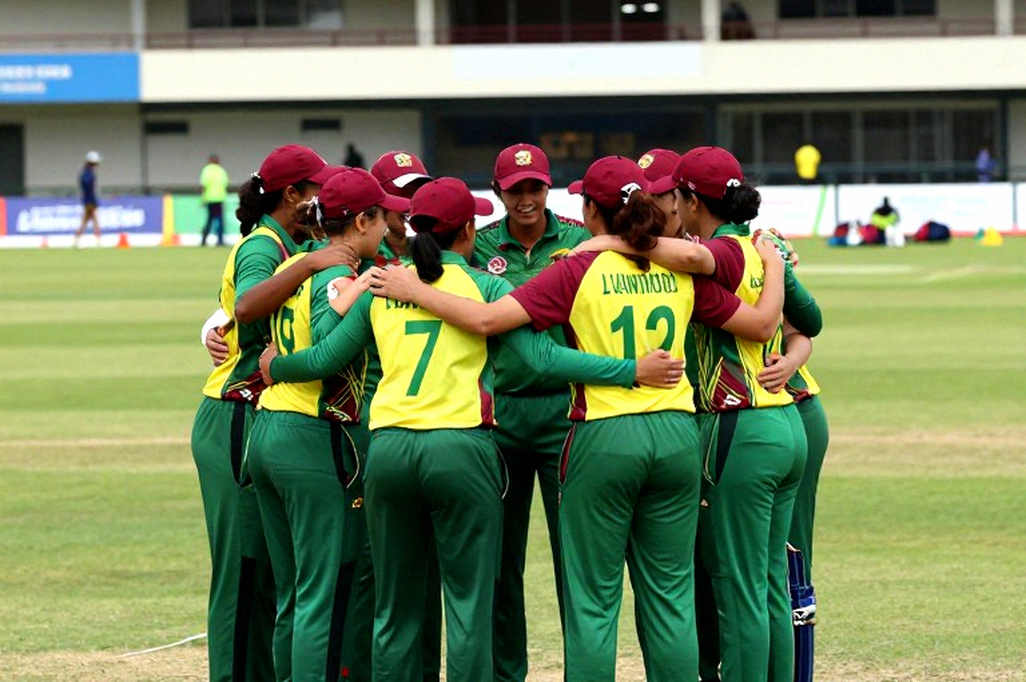
BCB's D-Three is a franchise-style auction. The six teams—Fortune Group, Walton, Ace Blue Star, Seven Rings Cement, Ekmi Group and Citizens Bank—had already picked one icon player each. Monday's auction added 22 players per team, for a total of 23. Those squads will run for three years. In Bangladesh's domestic cricket, that is a structural shift. Players used to move season by season; a three-year deal gives them security and makes them accountable. This auction is not a one-season shortcut; it is a three-year plan. The list carries no price tags. So the old auction question—who went for how much—has no answer here. The better question is: which team trusted which kind of cricketer for three years? Before the auction we counted runs; after it we count shares. Here the shares were handed out, the runs are still pending. A price is a story told about a player before he is allowed to speak—but this list has no price, only names.

Fortune Group's list immediately exposes a top-order crowd. Towhid Hridoy, Nazmul Hossain Shanto, Soumya Sarkar, Tanzid Hasan Tamim and Sabbir Rahman all want to bat near the top. Around them are Mohammad Saifuddin, Ebadot Hossain, Kamrul Islam Rabbi, Tanvir Islam and Rishad Hossain. Akbar Ali and Enamul Haque Ashik keep wicket; Nuhaiel Sandid and Islamul Ahsan Abir are the younger names. On paper the squad is balanced. Over three years, though, balance without role clarity becomes a closet full of talent. The coach will have to decide who opens, who waits, and who becomes the finisher.
Walton looks like the establishment XI. Mehidy Hasan Miraz, Mominul Haque, Litton Das and Taskin Ahmed are national-team spine. Marshall Ayub, Nasum Ahmed, Rony Talukdar, Habibur Rahman Sohan and Iqbal Hossain Emon fill the edges. This is a control-first squad, rich in experience. The question is whether a three-year deal protects the players knocking on the national door or only protects the sleep of established names. Walton has bowling depth; the list does not reveal who takes the risk in the middle overs.
Ace Blue Star is the most interesting youth-heavy squad. Nurul Hasan Sohan, Sheikh Mahedi, Hasan Mahmud, Nahid Rana, Enamul Haque Bijoy, Afif Hossain, Mahmudul Hasan Joy and Iftikhar Hossain Ifti give it a modern shape. Nahid Rana and Hasan Mahmud look like the future pace core; Mahedi and Afif cover spin and the middle order. But the available list shows only 21 names. If that is final, the 23-player rule breaks; if two names are missing, the list's housekeeping is suspect. Either way, mathematical depth is not clerical detail. Three years of injury and form shocks demand more than a first XI.
Seven Rings Cement has opened the ledger of experience. Mushfiqur Rahim, Taijul Islam, Mustafizur Rahman, Khaled Ahmed, Sadman Islam, Zakir Hasan, Mohammad Mithun and Anamul Haque signal a team that wants results now. Mustafizur and Khaled give the attack bite, Taijul gives control, Mushfiqur gives the middle order a memory. The risk is obvious. A three-year contract built only on experience can block the very players it signs. Zakir Hasan, Tafsir Arafat Tasib and Ryan Rafsan Rahman need minutes, not roster space. Domestic cricket's real capital is young players playing matches, not young players holding deals.
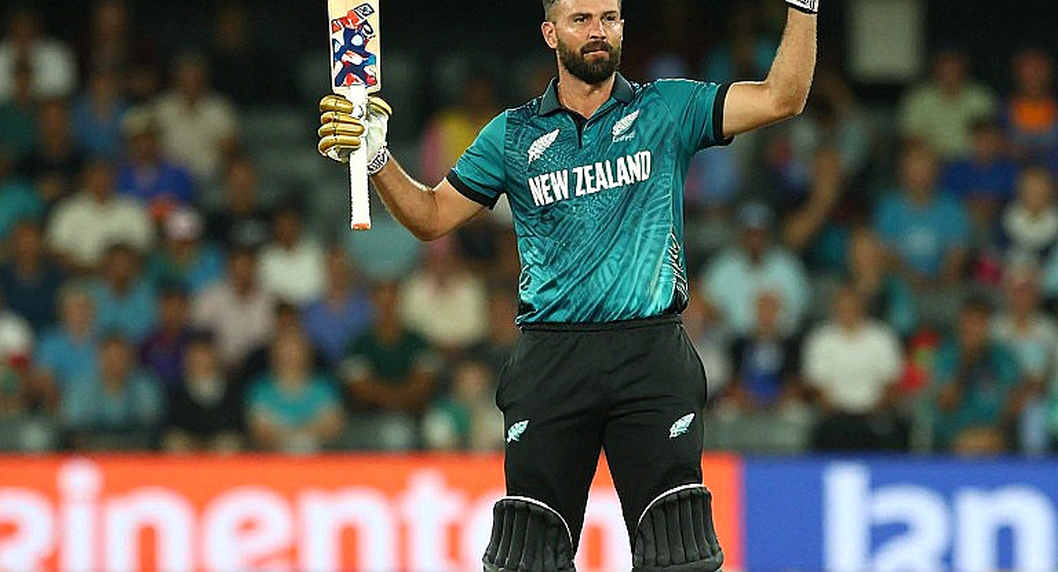
Ekmi Group tells a story of inheritance. Mahmudullah Riyad, Mohammad Rubel and Al Amin Rony are the seniors; Ahrar Amin Piyan, Maruf Mridha, Jawad Abrar, Shahadat Hossain Dipu and Parvez Hossain Emon are the next layer. Mosaddek Hossain Saikat, Abdul Gaffar Saqlain, Naeem Hasan and Mukidul Islam Mugdho hold the middle. The auction has spoken about legacy. Legacy only arrives when the older player leaves space. Staying together is not succession.
Citizens Bank has the longest list—24 names. Naeem Sheikh, Saif Hasan, Jaker Ali, Shariful Islam, Hasan Murad, Yasir Ali Rabbi, Sumon Khan and Azizul Hakim Tamim give the squad opening and all-round options. Shuvagata Hom, Irfan Shukkur, Tofayel Hasan and Aminul Islam Biplob bring domestic experience. Jisan Alam, Ashikuzzaman and Anik Deb Barman are the younger bets. A long list is not depth by itself; only 11 of 24 play. This is also where the auction's accounting problem becomes a player issue: Iqbal Hossain Emon is listed by Walton and Citizens Bank. One cricketer cannot belong to two squads. It may be a typo, but in a market of three-year contracts, a typo lands on a player's status.
Put the six lists together and a map of Bangladesh cricket appears. The national top order leans to Fortune, the young pace core to Ace, experience to Seven Rings, inheritance to Ekmi, opening and all-round depth to Citizens. The paper balance looks healthy. The danger is role inertia. A three-year contract can protect a player or freeze his development. Bangladesh's domestic cricket has produced talent before, but it has not always given that talent a sustained stage. A three-year deal can fill that gap, provided teams distribute roles, not merely names. Franchise cricket buys utility, not person. The day the utility changes, the contract becomes a burden.
The easy conclusion is that Bangladesh cricket has strengthened its domestic structure with three-year deals. Stability and crowding are different things. Across six squads and a declared pool of 138, if the same national names keep circulating, the auction becomes a security document rather than a talent distribution. The absence of prices is also a story. When a market hides money, hierarchy does not disappear; it moves into contract length, icon status and pre-decided roles. A price-free auction still has a price, and that price shows up in the order of selection. And if the list contains a counting error, that error deserves the first inquiry—a three-year contract can be attached to the wrong name too.
For me, the most important names in this auction are the ones that will not trend. Akbar Ali, Shahadat Hossain Dipu, Ahrar Amin, Maruf Mridha, Mahfizul Islam Robin, Abu Hasim, Ruel Mia, Anik Deb Barman. They have three-year deals. The deal is an exam for them and for the teams. I watched Bangladesh's 2026 World Cup win and learned how quickly a generation can jump past its domestic structure; that leap came from selection, not from a press release. The hardest team in sport is the second XI. Three years from now, if two or three of these names become national-team spine, the auction will have done its job. If they remain ink on a contract, the 23-player circle was a good press note.
The auction does not change the scoreboard. It changes the list of expectations. Over the next three years we will learn whether these squads become eleven roles or stay as 23 names. The stalled count in Monday's list is an old habit of cricket's market: it prints names first and distributes shares later. The statistician drops what the poet picks up—here the poet had only names, no numbers. Three years from now, whose name travels from the list to the ground, and whose remains in the shadow paragraph of the ledger?